Author: Vickie Lewin

  • Hunting Basics: Understanding When to Hang Your Deer

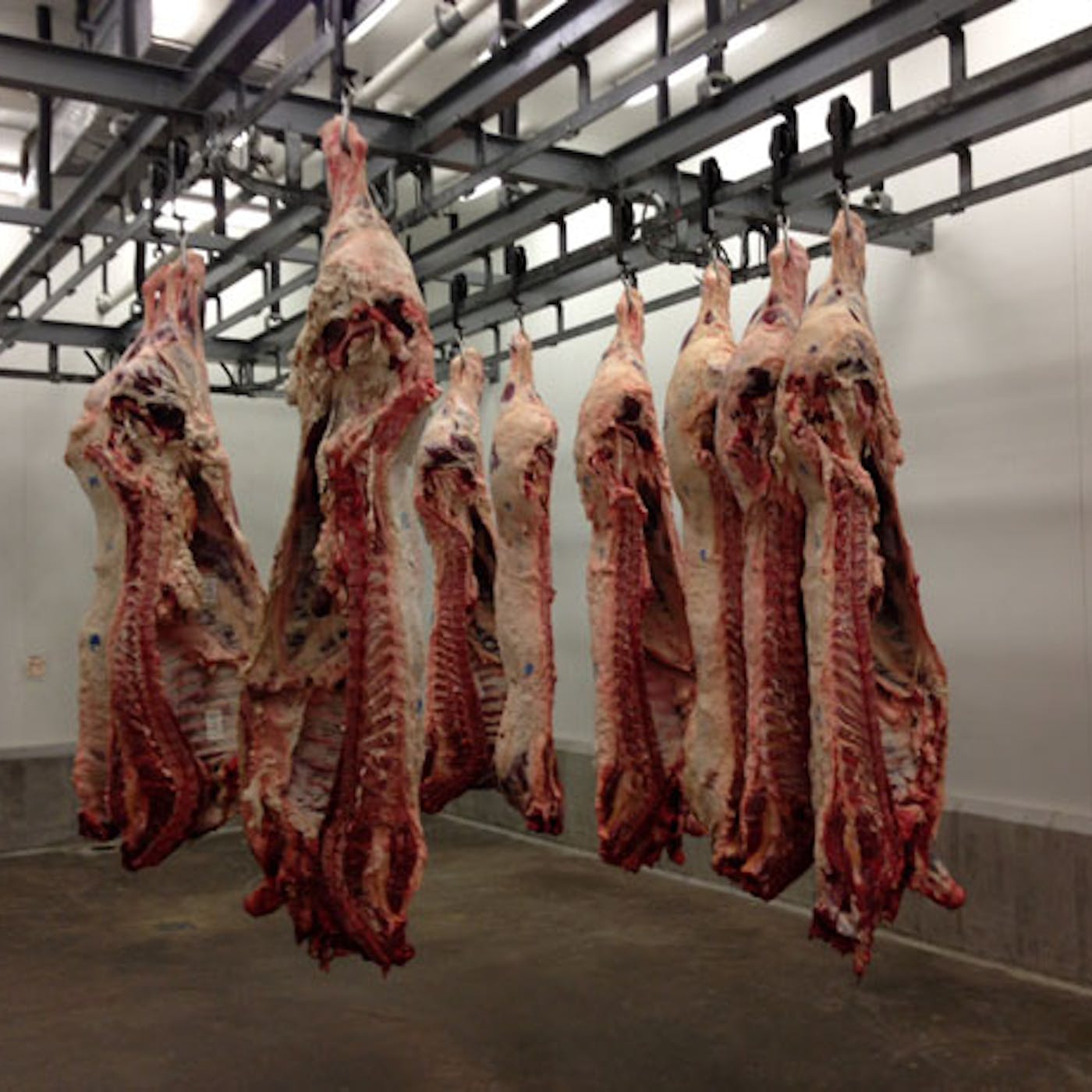
    Hanging a deer is not recommended if the temperature is above 40 degrees fahrenheit or more than 15 degrees celsius to avoid spoilage. Hunters often look forward to the opportunity to hang their freshly harvested deer, which allows the meat to age and improve in flavor and tenderness. However, it is important to know the…
  • How Cold is Too Cold for Deer?

    How Cold is Too Cold for Deer?

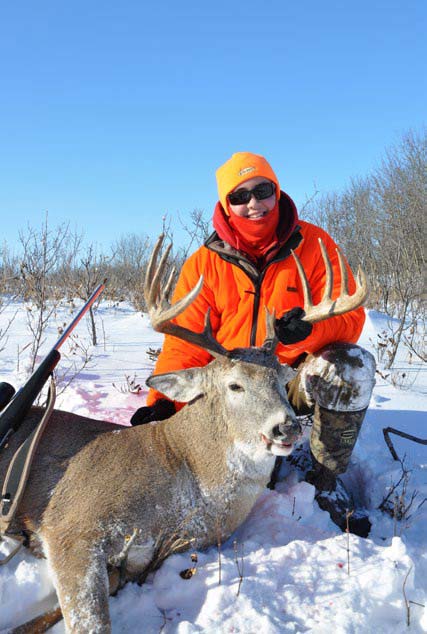
    Deer can withstand cold temperatures as low as 0°f, but they begin to experience discomfort and physical stress when temperatures drop below -20°f. Deer are highly adaptable creatures that can thrive in colder regions. However, if temperatures dip below -20°f, deer can begin to experience discomfort and physical stress. At this point, their metabolism can…

  • Why Hanging a Deer before Butchering is a Vital Preparatory Step

    Why Hanging a Deer before Butchering is a Vital Preparatory Step

    Hanging a deer before butchering allows the meat to tenderize and improve the flavor. This process also helps the meat cool down, preventing bacterial growth. Hunting is a practice that has been around for centuries, and it still remains a popular tradition in many parts of the world. For hunters, part of the experience involves…

  • What is the Number One Deer Attractant? Unveiling the Top Secret.

    What is the Number One Deer Attractant? Unveiling the Top Secret.

    Corn is the number one deer attractant. It is extremely effective in drawing deer to the area due to its sweet taste and high carbohydrate content. As any hunter knows, finding the right deer attractant can make all the difference when it comes to a successful hunting season. While there are numerous options available, none…

  • What are the 4 C’S of Hunting?

    What are the 4 C’S of Hunting?

    The 4 c’s of hunting are: conservation, control, compliance, and common respect. These four principles serve as the foundation of ethical hunting practices. As a responsible hunter, it’s essential to follow these guidelines to ensure the sustainability of natural resources, maintain wildlife populations and preserve landscapes. Conservation refers to the protection and management of natural…

  • Does Human Pee Scare Deer? The Truth About Urinating in Nature.

    Does Human Pee Scare Deer? The Truth About Urinating in Nature.

    Yes, human pee can potentially scare deer. Deer have a keen sense of smell and may associate the scent of human urine with danger. As a result, urinating near deer or in their habitat can potentially spook them and cause them to flee the area. While human urine is not a guaranteed way to deter…

  • Can You Eat Fresh Deer?

    Yes, fresh deer meat is edible. Deer meat is a great source of protein and is low in fat, which makes it a healthy choice for many people. It can be cooked in a variety of ways, including grilling, roasting, and sautéing. However, there are some things to consider before eating fresh deer meat. For…

  • Where to Shoot a Deer: Tips for Instant Compliance.

    Where to Shoot a Deer: Tips for Instant Compliance.

    Aim for the neck or spine to drop a deer in its tracks. These vital areas are the best targets for quick and humane kills. Deer hunting is a popular outdoor activity enjoyed by many hunters, but it requires precise aiming and understanding of the deer’s anatomy. A well-placed shot can minimize the animal’s suffering…

  • Do You Leave Fat on Deer Meat?: A Guide for Hunters

    Do You Leave Fat on Deer Meat?: A Guide for Hunters

    Yes, leaving some fat on deer meat is recommended as it adds flavor and moisture to the meat during the cooking process. Deer meat, also known as venison, is a lean and protein-rich meat. Unlike beef or pork, deer meat contains very little fat and is considered a healthier alternative. However, some amount of fat…

  • Where Do Bucks Go in the Morning? Unveiling Their Morning Routine.

    Where Do Bucks Go in the Morning? Unveiling Their Morning Routine.

    Bucks go to find food and water in the morning. In the early hours, they start their search and move to areas with vegetation and water sources. As the dawn breaks, bucks venture out to find their sustenance for the day. These majestic deer are active during their feeding hours in the early morning. They…