
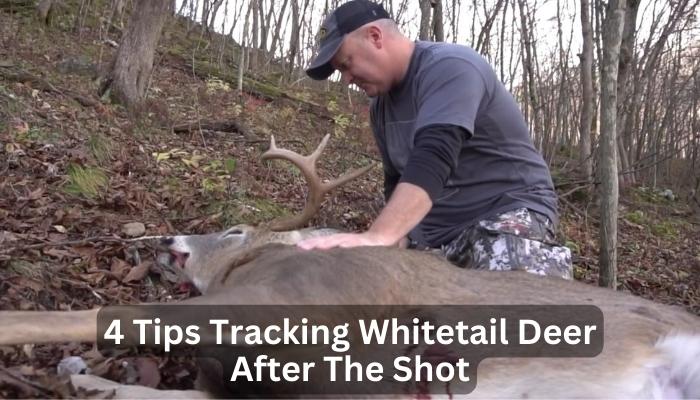
After you pull the trigger or, Tracking Whitetail Deer After The Shot, it is time to track your deer. This can be daunting, especially if you are new to it or if this is your first deer.
But don’t worry; we will walk you through everything you need to do to find your deer. The most important thing is to stay calm and think through every step.
4 Tips for Tracking Whitetail Deer After The Shot
After you take the shot, it’s essential to track the deer so you can find it and harvest it. Here are some tips for monitoring a whitetail deer:
1. Look for blood immediately after the shot.
This will help you determine where the deer was hit and how badly it was injured.
2. Follow the blood trail until you find the deer. Be patient and methodical in your search – don’t give up too soon!
3. If possible, mark the location of key landmarks along the blood trail so you can backtrack if necessary.
4. Once you find the deer, field dress it immediately to prevent spoilage. Then, get it back to your vehicle as soon as possible so you can begin transporting it to your butcher or game processor.
How Far Should You Track a Deer?
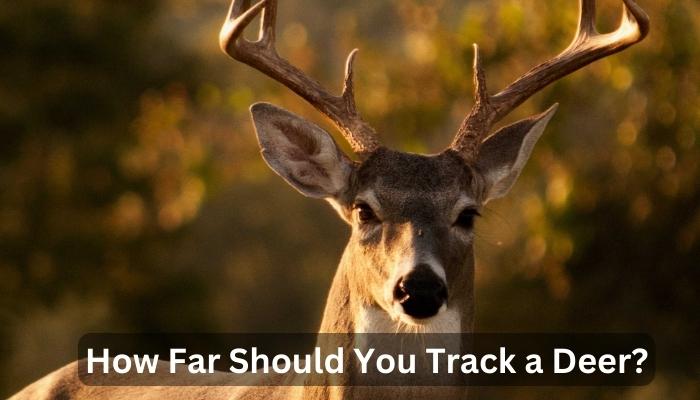
When it comes to tracking a deer, there is no one-size-fits-all answer. The distance you should follow a deer will depend on several factors, including the terrain, the weather conditions, and the type of deer you track. In general, however, you should always be prepared to track a deer for at least a mile.
If you are tracking a deer in an open country, you may need to travel several miles before finding the animal. However, if the terrain is rough or densely wooded, you may only need to track the deer for a few hundred yards before finding it. Similarly, if the weather is cold and snowy, you may need to travel further to find the deer, as it will likely be bedded down for long periods.
The type of deer you are tracking will also affect how far you should follow its tracks. For example, if you are tracking a buck during the rutting season (when bucks are actively pursuing does), he will likely travel farther than usual in search of mates.
If you are tracking a doe during this period, she will probably not travel as far as bucks since she will only be moving between her home range and feeding areas.
Read More: 9 WAYS ON HOW TO FIND A BUCKS CORE AREA
Which of the Following Deer Offers You the Best Shot With a Bow

There are a few different types of deer that you can hunt with a bow, and each offers its own challenges. Here’s a rundown of the most popular options: Whitetail deer are perhaps the most popular type to hunt with a bow.
They’re relatively large animals, so you’ll need to be accurate with your shots. They’re also quite skittish, so you’ll need patience and wait for the perfect opportunity to take your picture. Mule deer are another popular option for bow hunters.
They’re not as large as whitetails but can be just as challenging to hunt. They tend to be more cautious than whitetails, so you’ll need to be extra careful when stalking them. Elk are the most significant type of deer, offering a real challenge for bow hunters.
They’re tough to stalk due to their size and keen sense of smell. If you get close enough for a shot, you’ll need to be sure that your arrow will find its mark.
Frequently Asked Question
Will Deer Come Com Back After Missing a Shot?
Deer are very unlikely to come back after missing a shot. If they do, it is probably because they did not see or hear the hunter.
How Long After You Shoot a Deer Should You Track It?
It is generally advisable to wait at least 30 minutes after shooting a deer before beginning to track it. This gives the animal time to bleed out and die, making tracking easier. Of course, if you are confident that you have made a clean kill shot, you can begin tracking immediately.
How Many Days After a Deer Shot Can Dog Track?
Deer. Dogs can track a deer for up to three days after the deer has been shot. The dog can follow the blood trail left by the deer and eventually find the deer.
Last Thought
So, Finally, you should remember a word- After you take a shot at a whitetail deer, it’s essential to track the animal to ensure you find it.
