
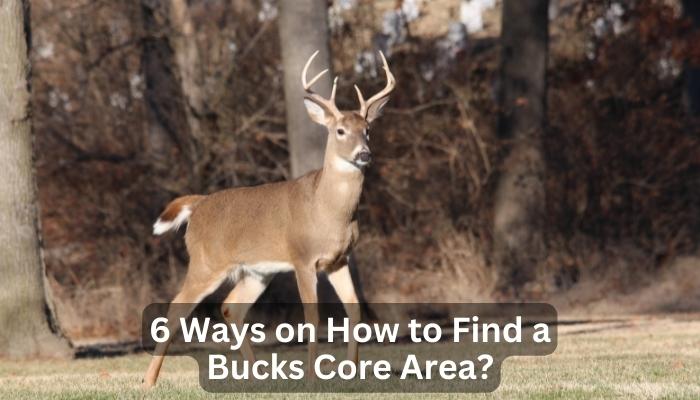
Are you extremely looking for How to Find a Bucks Core Area? Then you’ve got the right place.
Bucks County, located in southeastern Pennsylvania, is known for its rolling hills, farmland, and quaint towns. The county is home to over 620,000 residents and covers an area of 622 square miles.
With so much ground to cover, it can be not easy to know where to start when looking for a buck’s core area. Let’s explore it.
How to Find a Bucks Core Area 6 Ways
However, a few key factors can help you narrow down the search.
- Look for large tracts of uninterrupted forest
- These areas are typically well-connected and have a high density of trees
- Find places with a mix of different types of forest habitat
- These areas provide more resources for wildlife and tend to be more resilient to disturbance
- Avoid sites that have been heavily impacted by humans, such as clearcuts, roads, or ATV trails
- These areas can be less productive for deer and other wildlife
Where is My Buck Staging Area?

If you are a deer hunter in Pennsylvania, chances are good that you have hunted at least once in the state’s famous Buck County. The county is home to some of the best deer hunting in the state, and it is also home to a variety of other wildlife. When planning a hunt in Buck County, it is essential to know where your staging area will be.
Your staging area is the location where you will start your hunt. This is typically a parking area or trailhead where you can leave your vehicle and begin hiking into the woods. In Buck County, there are several different staging areas that you can choose from depending on where you want to hunt.
One popular staging area is located near the town of Kintnersville. This staging area provides access to various hunting areas, including State Game Lands 213 and 216. Another popular option is the Delaware Water Gap National Recreation Area, which offers access to numerous hunting areas, including State Game Lands 507 and 508.
No matter where you decide to stage your hunt in Buck County, it is essential to be aware of all regulations before heading out into the woods. Check with the Pennsylvania Game Commission for changes or updates to hunting regulations before heading out on your next deer-hunting adventure!
Do Bucks Return to Core Area After the Rut?
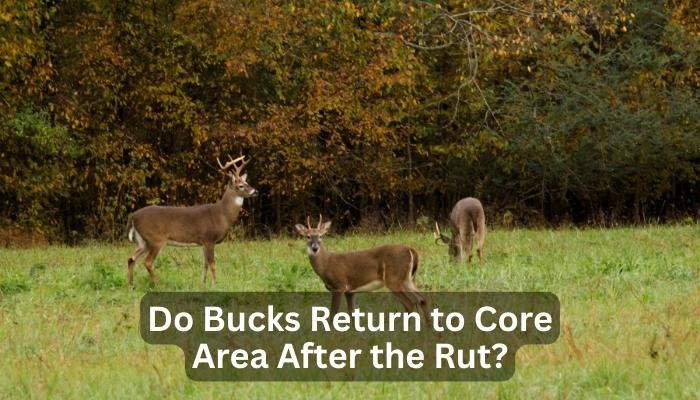
It’s a common misconception that bucks always return to their “core area” after the rut. But the truth is, it depends on several factors. Let’s take a closer look at what determines where a buck will spend his time post-rut.
One of the most significant factors is food. If there is still plenty of food available in the buck’s core area, he’s likely to stick around. But if food becomes scarce, he’ll start searching for new territory.
Another factor is the weather. If it’s cold and snowy, the buck will hunker down in a sheltered spot and wait out the winter. But if conditions are milder, he may roam farther from his home range in search of does in heat.
Finally, social factors can play a role in where a buck spends his time post-rut. If he successfully bred during the rut and has fathered some fawns, he may stay close to their nursery area to protect them from predators. On the other hand, if he is unsuccessful or loses his harem to another buck, he may strike out on his own in search of new territory (and potential mates).
So as you can see, there is no one answer to this question. It all depends on the individual buck and his situation.
Frequently Asked Question
How Many Acres is a Bucks Core Area?
Bucks County is located in southeastern Pennsylvania and is home to over 611,000 residents. The county seat is Doylestown, and the largest city is Levittown. Bucks County borders Montgomery County to the north, Philadelphia to the east, and New Jersey to the south.
Read Related: 9 WAYS ON HOW TO FIND A BUCKS CORE AREA
Where are Buck Bedding Areas on a Map?
Buck bedding areas are usually found in thick brush or timber, near water, and out of the wind. They are also typically located on high ground to provide a good view of their surroundings. You can find potential buck bedding areas by looking for these features on a map.
What Sound Does a Deer Make
What Sound Does a Deer Make? You might be wondering what sound a deer make. According to studies, deer make various sounds, including bleats, grunts, snorts, and barks.
These sounds are used for communication between different herd members and warning signs when predators are close by. Each sound has a different meaning and purpose. For example, a grunt is usually used to indicate contentment or satisfaction, while a bleat is often used as a distress call.
Last Word
Hope this blog post might be figured out How to Find a Bucks Core Area? But you read the whole article but didn’t understand what to do? To find a bucks core area, there are a few things that you can do. First, look for sites where there is a lot of thick brush. Bucks will often bed down in these areas to stay hidden from predators.
Another good place to look is along the edges of fields or woods. Bucks like to travel along these edges because they offer plenty of cover and food. Finally, pay attention to scrapes and rubs.
These are signs that a buck has been in the area and is marking his territory. If you find an area with all these signs, chances are you’ve found a bucks core area!
