
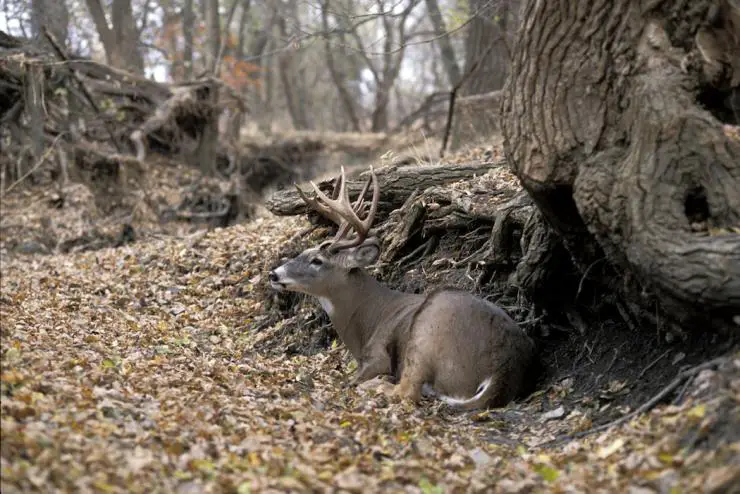
Yes, bucks typically stay in the same area or home range throughout the year unless forced to leave due to limited resources or hunting pressure. Bucks, especially mature ones, establish a home range within which they move around to find food, water, cover, and mates.
They mark their ranges using various scent and visual signals and defend them against intruders. Research shows that buck’s home ranges size and location may vary with the seasons and availability of resources. However, they generally exhibit fidelity to their home range and tend to return to it, even after being displaced. Bucks also tend to avoid areas of high human activity and prefer areas with dense cover and food sources. Bucks usually stay within or close to their home range unless necessary to move to find better resources or escape hunting pressure.
Factors Affecting Buck Movement
Bucks can exhibit different patterns of movement depending on several factors. Weather and season can greatly affect their behavior, with cold weather forcing them to move or stay put. Availability of food is also a major consideration, with deer shifting to grazing areas where they can find more sustenance.
Hunting pressure can also impact the deer’s movement patterns, causing them to move to different areas or become more elusive. These factors can influence the deer’s behavior, making it difficult for hunters to predict where they will be at any given time.
To increase your chances of success, it is essential to consider these factors when planning your hunting strategy and to be prepared to adapt as conditions change.
Home Range And Territory
Bucks typically have a defined home range that they frequently visit for food and shelter. The size of a buck’s home range varies depending on the quality of the habitat around them. A buck’s home range is defined as the area where they spend most of their time foraging and resting.
Habitat quality is a significant factor in determining the size of a buck’s home range. Bucks living in areas with poor food or shelter have larger home ranges than those who live in rich environments. Other factors, such as population density and breeding status, can also influence the size of a buck’s home range.
Buck Dispersal And Migration
Bucks usually don’t stay in the same area, and that’s due to buck dispersal and migration. Dispersal occurs when male deer leave their birthplace to find new mates and territory. Migration is when they move to different areas to find food, water, and shelter.
Many factors can influence buck migration, such as changing seasons, human development, and predator pressure. Deer migrate to avoid severe weather conditions or to follow food sources. If they can’t find what they need in their area, they will travel to new locations.
These patterns are essential for maintaining deer populations, as they help establish new territories and prevent inbreeding. Additionally, understanding these patterns is crucial for wildlife management and conservation efforts.
Do Bucks Stay In The Same Area Year-Round?
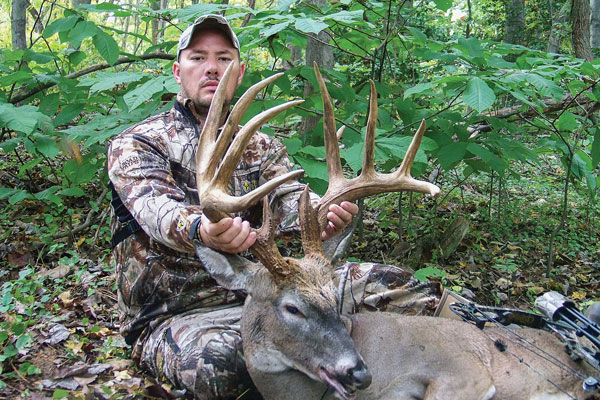
Credit: www.northamericanwhitetail.com
Bucks tend to stay in the same area year-round, with seasonal shifts. Generally, during the winter, they have smaller home ranges compared to summer. However, during the rut, bucks tend to expand their home range as they search for mates.
Bucks may also leave their typical area if resources are scarce or if they detect human presence. Despite these exceptions, bucks tend to return to their home range annually, making it easier for hunters to predict their behavior. It’s important to understand these seasonal changes and exceptions when tracking or hunting bucks.
Conclusion
As a conclusion, bucks typically do stay in the same area, especially if the environment is conducive to their needs. They mark their territories with scrapes and rubs and maintain these areas as their own. Their ability to sense danger in their radius encourages them to keep within their designated area.
However, seasonal weather variations, changing food sources, and other environmental factors may prompt bucks to shift to different locations for short periods. Wildlife biologists have observed that most mature bucks are homebodies with a well-defined range that they patrol regularly.
