
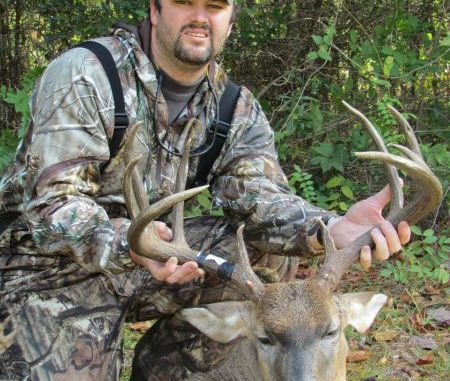
A 150 class buck typically has antlers that measure around 150 inches in total length. In terms of body weight, it can vary depending on factors such as age and habitat.
However, a mature 150 class buck usually weighs around 200 to 250 pounds. Hunters and outdoor enthusiasts often use antler size as a measure of a deer’s maturity and overall size. The boone and crockett club, a wildlife conservation organization, developed a scoring system that takes into account the size and configuration of a deer’s antlers to determine its “score. ” generally, a buck with a score of 150 or higher is considered to be a trophy deer. It’s worth noting that antler size isn’t the only factor that makes a deer impressive – factors such as body size, musculature, and overall health are also important.
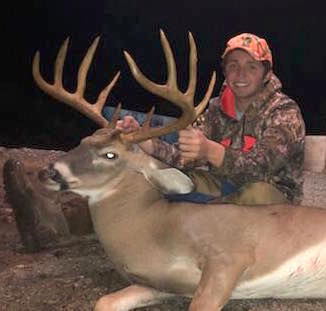
Credit: www.carolinasportsman.com
Understanding Antler Scoring Systems
Understanding antler scoring systems is important for hunters and wildlife enthusiasts. One popular scoring system is the boone and crockett method. This system calculates the gross and net scores of antlers based on their size and symmetry. Gross score is the total number of antler points, while net score takes deductions for imperfections.
Accurate scoring is crucial for determining a buck’s overall size and ranking, as well as for record-keeping purposes. Overall, using antler scoring systems helps in conservation efforts and understanding the health of various deer populations.
What Is A 150 Class Buck?
A 150 class buck is the term used to describe a deer that meets certain size requirements. In hunting terms, ‘class’ refers to antler size and is determined through a scoring system. This scoring system, established by organizations like boone and crockett, sets specific minimum requirements for each class.
To qualify for the 150 class, a buck must score at least 150 inches using this system. Factors such as the length, width, and symmetry of the antlers are taken into consideration during scoring. Achieving the 150 class is a notable accomplishment for hunters and signifies a mature and impressive deer.
Physical Characteristics Of A 150 Class Buck
A 150 class buck is a mature deer with a specific set of physical characteristics. These deer usually weigh between 150 to 180 pounds and have a body size that is considered optimal for hunting. The structure of their body is muscular, with long legs and a sleek torso.
The antlers of a 150 class buck are also impressive, measuring 18 to 22 inches in length and 20 to 23 inches in width. The circumference of their antlers is between 4 to 5 inches. Visual signs of a 150 class buck include a thick neck, defined muscles and a well-proportioned body.
These characteristics make them a prized game for hunters and a sight to behold for nature lovers.
Hunting A 150 Class Buck
Hunting a 150 class buck can be a real challenge, but it’s worth it. The best locations to find these bucks are usually in areas with thick cover and good food sources. You’ll need essential hunting gear like binoculars, a rifle or bow, and scent eliminator.
Tracking and stalking require patience and skill, so take your time and watch for signs like fresh tracks, rubs, and scrapes. When you finally spot a 150 class buck, make sure the shot is ethical and aim for a vital organ.
It’s important to remember that hunting is a privilege, so always follow local hunting regulations and hunting ethics for a successful and enjoyable experience.
Land And Habitat Management
Managing your land and habitat is key to supporting 150 class bucks, making food plots and water sources essential components. By creating these areas of food and water, you help support the deer population and improve their overall quality. Additionally, implementing strategies such as predator control and habitat management can also enhance the potential for larger deer on your property.
Whether it’s tending to vegetation or creating bedding areas, finding ways to support the natural environment can make all the difference. With conscientious land management, you can attract and sustain a thriving deer population, increasing the likelihood of spotting a magnificent 150 class buck.
Frequently Asked Questions For How Big Is A 150 Class Buck?
What Is A 150 Class Buck?
A 150 class buck refers to the score obtained by measuring the antlers of a whitetail deer. Douglas score system is used to measure the antlers, and it ranges from 60-200, with 150 as the average.
How Big Is A 150 Class Buck?
The size of a 150 class buck can vary between deer and subspecies. However, on average, it can stand around 6-7 feet tall, weigh 120-300 pounds and have a skeletal structure of 120-180lbs.
What Is The Best Rifle Caliber For Hunting A 150 Class Buck?
The best rifle caliber for hunting a 150 class buck is. 270. It is powerful, has great accuracy and range, and the recoil is manageable, which makes it easy to handle. Another popular choice is. 308 winchester.
What Is The Best Time To Hunt A 150 Class Buck?
The best time to hunt a 150 class buck is during the rut season, which occurs between october to december, depending on the region. During this time, bucks are most active, and their guard is down, leading them to be more vulnerable to hunters.
Conclusion
To wrap up, determining the size of a 150 class buck comes with a lot of factors to consider. A hunter needs to know the score system, as well as the different measurements of the deer’s body. Estimating a deer’s size can also be challenging due to camouflage and distance.
However, it is essential to understand the overall scoring and measurement rules to know if a deer qualifies as a trophy buck. Keep in mind that the size of a deer does not define a successful hunt. Many hunters find more satisfaction in the overall experience than just the size of the animal.
Regardless of the size of the deer you are pursuing, the essence of hunting is in connecting with nature and enjoying the thrill of the chase. May your next hunting trip be filled with memorable moments, and a trophy buck if you’re lucky!
