
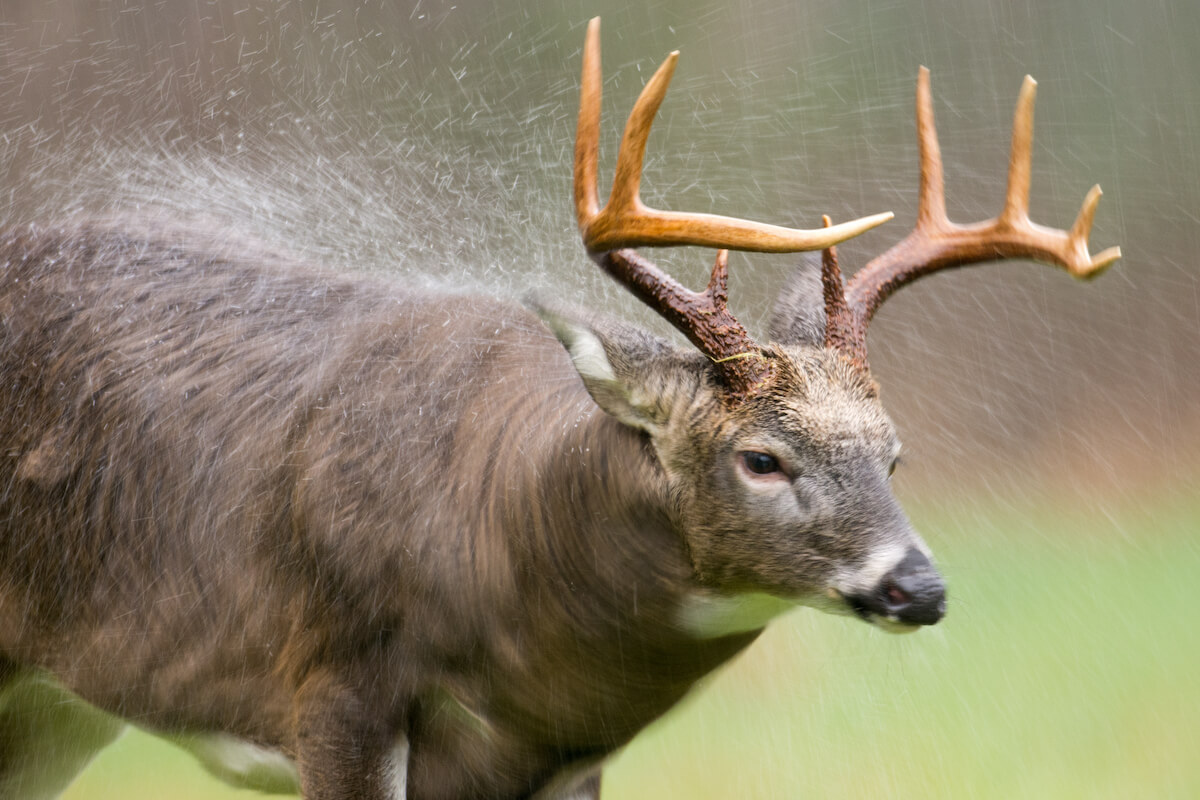
Deer tend to move in bed during rain as it provides shelter and protection from the elements. When rainy weather sets in, many animals look for shelter and hideaways to avoid harsh weather conditions.
Among these animals are deer, which might take shelter in their preferred bedding areas. While deer may seek shelter during rain, they often return to grazing once the weather subsides. Deer typically have adapted coats and can survive rainy weather conditions without much difficulty.
But what happens when the rain persists for days and their supply of food runs low? This guide looks at deer movement patterns during rain, how they find food during rainy weather, and how they survive harsh weather conditions. By the end, you will understand how deer adapt to weather conditions and find food even in the most difficult rain conditions.

Credit: deerlab.com
Overview
On rainy days, do deer move in their beds? Understanding how wild animals behave in different weather conditions is a fascinating area of study. The impact of rainfall on deer behaviors has captured the attention of researchers and animal enthusiasts alike.
When it rains, deer tend to take shelter in densely forested areas. They will typically bed down in these areas, where the foliage can offer some protection against the elements. The length of time that deer spend in their beds may vary based on the intensity of the rain.
In general, they will remain in sheltered areas until the poor weather has passed. It is important to note that different types of precipitation, such as sleet or hail, may have a different effect on deer behavior.
How Rainfall Affects Deer Movement
Deer sense rainfall through their senses which indicates food availability, a means of survival. During rainfall, food sources for deer might become scarce since certain plants might become overwatered. As the seasons change, deer movements also change. With the arrival of rainfall, deer are more likely to migrate to other locations where food is available.
Heavy downpours may result in decreased deer movement, as flash floods can limit mobility and foraging. Conversely, light rainfall may increase deer activity, as it makes it easier to track prey. However, contrary to popular belief, deer do not move in bed when it rains.
Instead, they usually seek shelter under trees or any available cover. This is to protect themselves and conserve body heat.
Deer Bedding Behavior
Deer are creatures of habit, and they follow a meticulous bedding behavior. Various environmental factors play a vital role in their choices of bedding. When deciding on a bedding location, they consider the temperature, wind direction, predator presence, and food availability.
They often opt for areas that provide them with the best isolation, shelter, and vantage point. Such locations include ridge tops, dense thickets, elevated areas, and brush piles. Rainfall has a significant impact on deer bedding behavior. It forces them to move to higher ground as it can flood their beds, and the sound of the rain muffles their hearing, making them vulnerable to predators.
Therefore, it is crucial to understand deer bedding behavior and their response to environmental factors to predict their location and movement correctly.
Deer Movement And Feeding Behavior
During rainfall, deer behaviour can change notably. Deer move and feed less in bed and become more active when it is raining. They tend to look for refuge in areas that offer more cover and protection, such as dense woods and areas near thick bushes.
In addition, rainfall can make deer more alert, especially when they are feeding. In dry conditions, deer are more likely to take risks and venture out into the open. Hunting during periods of heavy rainfall can be a difficult undertaking, as deer tend to hunker down and protect themselves from the inclement weather.
This makes it harder to spot them and increases the probability that they will undetectedly move around the surrounding area. Similarly, deer feeding habits are more sporadic during a downpour, leading to a noticeable uptick in unpredictable behavior.
Frequently Asked Questions Of Do Deer Move In Bed Or Down In Rain?
Do Deer Like To Stay In Bed In The Rain?
No, deer do not have a designated bed like humans. They usually rest in areas with dense vegetation, and when it rains, they will seek shelter under trees or foliage to avoid getting soaked. However, if they find a comfortable spot, they might choose to lay down for a brief period of time.
Do Deer Move More Before Or After Rain?
Deer tend to move more before and after rain than during the downpour. Before the rain, they might be preparing to secure food and find shelter, while after the rain, they may be more active in search of food and fresh water after the rain has washed out some usual sources.
Why Do Deer Stay Put During A Storm?
Deer prefer to avoid strong winds and heavy rainfall as it makes it more challenging for them to detect and avoid predators. So, it is common for deer to stay still and wait until the storm subsides before venturing out again.
They may also seek shelter under trees, rocks, or other natural features.
Can Deer Smell Rain Coming?
Deer’s sense of smell is strong enough to sniff rain and other atmospheric conditions such as humidity, which helps them predict when grains will arrive. Certain scents and odors can be carried by the wind, and deer can detect this, which makes them head for shelter before the rain starts.
Do Deer Move More At Night In The Rain?
Deer tend to reduce their movement during heavy rainfall and strong winds, whether it is day or night. In some cases, deer may move more during the night in search of food if the rain has affected the availability of their usual food sources.
However, it is not a general rule.
Conclusion
Overall, understanding the behavior of deer during rain and while in their bedding areas can greatly increase your chances of successful hunting. Although deer may not necessarily move more during rain, they may alter their behavior and move more cautiously.
It is important to remember that deer are still animals, and their behavior may not always follow a specific pattern. Keeping an eye on weather patterns and being knowledgeable about deer behavior can make a significant impact on your hunting trip.
Additionally, understanding the importance of staying quiet and undetected while in their bedding areas can greatly increase your chances of success. Whether it’s through trail cameras, scouting, or personal experience, taking the time to understand deer behavior can greatly improve your hunting skills and overall experience.
Stay safe, practice ethical hunting methods, and always respect the animals you are pursuing.
